Skip To Content

Diverse Donations

A diverse donor base could be the difference between life and death.
Belonging logo

Having a blood supply reflecting the diversity of the population is imperative to meeting the blood transfusion needs of all patients. Each blood type uniquely matches with certain other blood types, meaning all blood types are always needed.

commitment-img.jpg

Why a diverse blood supply is important

A diverse representation of blood donors is key to helping patients who need frequent blood transfusions, such as those living with sickle cell disease and beta thalassemia. These diseases are inherited, and people afflicted with them often needed frequent and ongoing blood transfusions. Since blood type also is inherited, the best blood donor match is usually someone from the same race. That’s why we need to increase the number of blood donors, especially from minority populations.

Donors of all ages are important, as well. Younger first-time donors are continually needed to replace those who can no longer donate. Because of changes in FDA criteria, people previously deferred due to their sexual orientation or European residency may now be able to donate if they meet other eligibility requirements.

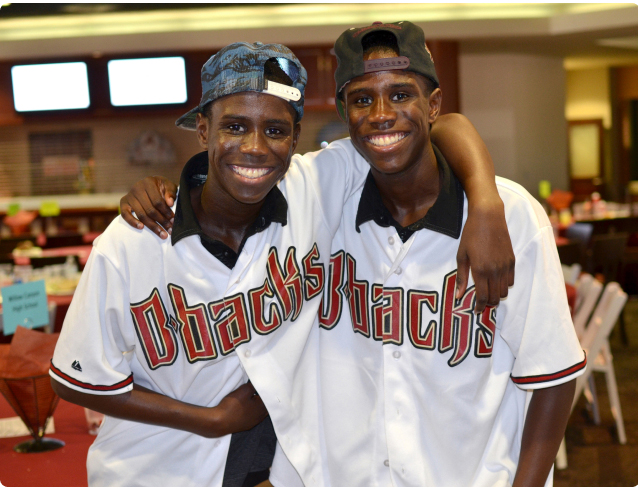
Blood Donations Helped Twins Who Battled Sickle Cell Disease

When twins Joshua and Jordan were born, their standard newborn screening blood tests showed devastating news: Both boys had the most severe form of sickle cell disease.

They relied on blood transfusions about every two months for years until they were able to receive bone marrow transplants. Both are now cured of sickle cell. “I don’t think that most people realize how important it is for minorities to become regular blood donors,” said their mom, Kristine. “The closer the match is for the patient, the lower the risk for reactions and long-term complications. I’m just grateful for the blood donors who saved my sons’ lives over and over.”

Read more about sickle cell.

twins.jpg

Brooke-(1).jpg

Brooke Needs Monthly Blood Transfusions for Her Survival

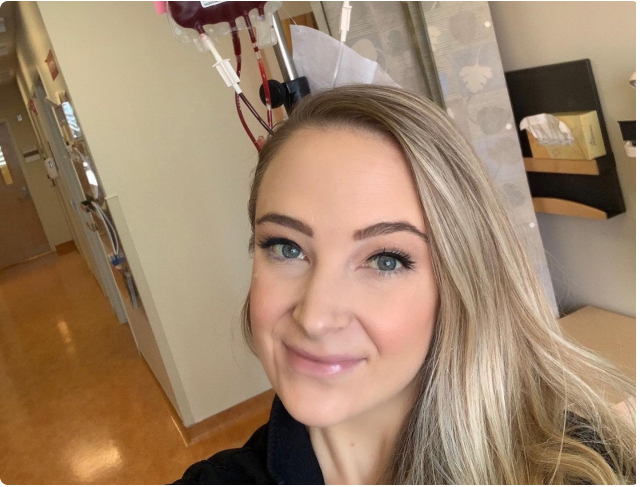
For Brooke, Denver area communications manager at Vitalant, our mission is personal. She was born with a rare blood disorder called beta thalassemia. Her body doesn’t make red blood cells properly, so she doesn’t get the oxygen required to function normally. As a result, she needs blood transfusions monthly in order to survive.

“I’ve received more than 250 units of blood throughout my lifetime, and I am so grateful for all of Vitalant’s incredible blood donors who volunteer their time to help patients who depend on regular blood transfusions. Without blood donors, I wouldn’t be here today.”

Determined to Pay Forward Her Good Fortune

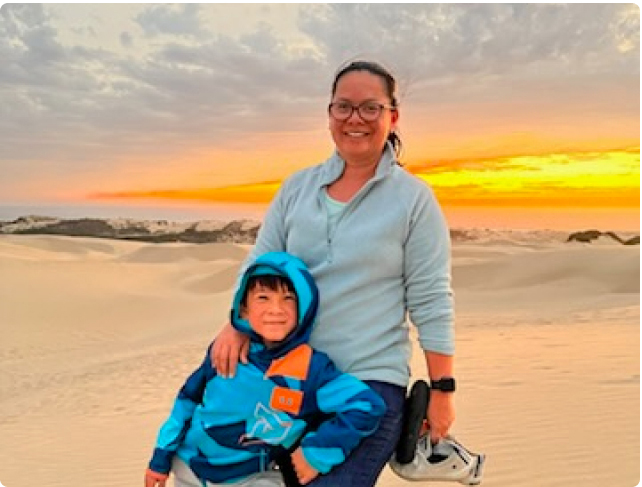
Malia almost died after suffering a rare complication during the birth of her son, Edwin. She needed a "mass transfusion protocol" to save her life and received 30 units of blood. Malia and her husband have vowed to pay their good fortune forward by donating blood regularly and doing what they can to spread the word about blood donation.

“I am always willing to help the cause that saved my life! I will never be able to pay back the debt that I owe,” she said.

Read more.

Malia-beach-(1).jpg

  • Support Our Efforts

    You can help support our efforts to diversify the blood supply and save lives not only by donating blood but also by donating funds or being an advocate for blood donation. Explore the variety of ways you can support hospital patients with Vitalant.

    Tell me more.

Diversifying our donor base helps establish more equitable health care by providing better matched blood for patient transfusions.
Mona Papari