
What Are the Components in Blood? Understanding Its Makeup.
Blood is constantly moving through your blood vessels, delivering oxygen and nutrients, removing waste products, and helping protect the body from illness and injury. But what's it really made of? Understanding the specific components in blood helps explain how one donation can support patients in different ways — and why your action is so vital.The 4 Main Components of Blood (Why Understanding Blood Components Matters)
To understand how the human body sustains itself, you have to understand the four main components of blood. While each one has a unique job, the combined power of red blood cells, white blood cells and platelets, all suspended in nutrient-rich plasma, is what keeps you healthy, stable and resilient.
“Blood is not a one-size-fits-all treatment. Blood is a collection of powerful components that are used with intention. When we understand how red cells, platelets, plasma, and white cells function, we can deliver the right therapy to the right patient at exactly the right moment. That precision is what turns a donation into a lifesaving intervention.”
—Dr. Ralph R. Vassallo, Executive Vice President, Chief Medical & Scientific Officer, Vitalant
Knowing how blood components work gives you a clearer picture of how your donation directly supports patients facing cancer treatments, surgeries, chronic illnesses, emergencies and more.
Red Blood Cells: Carry Oxygen
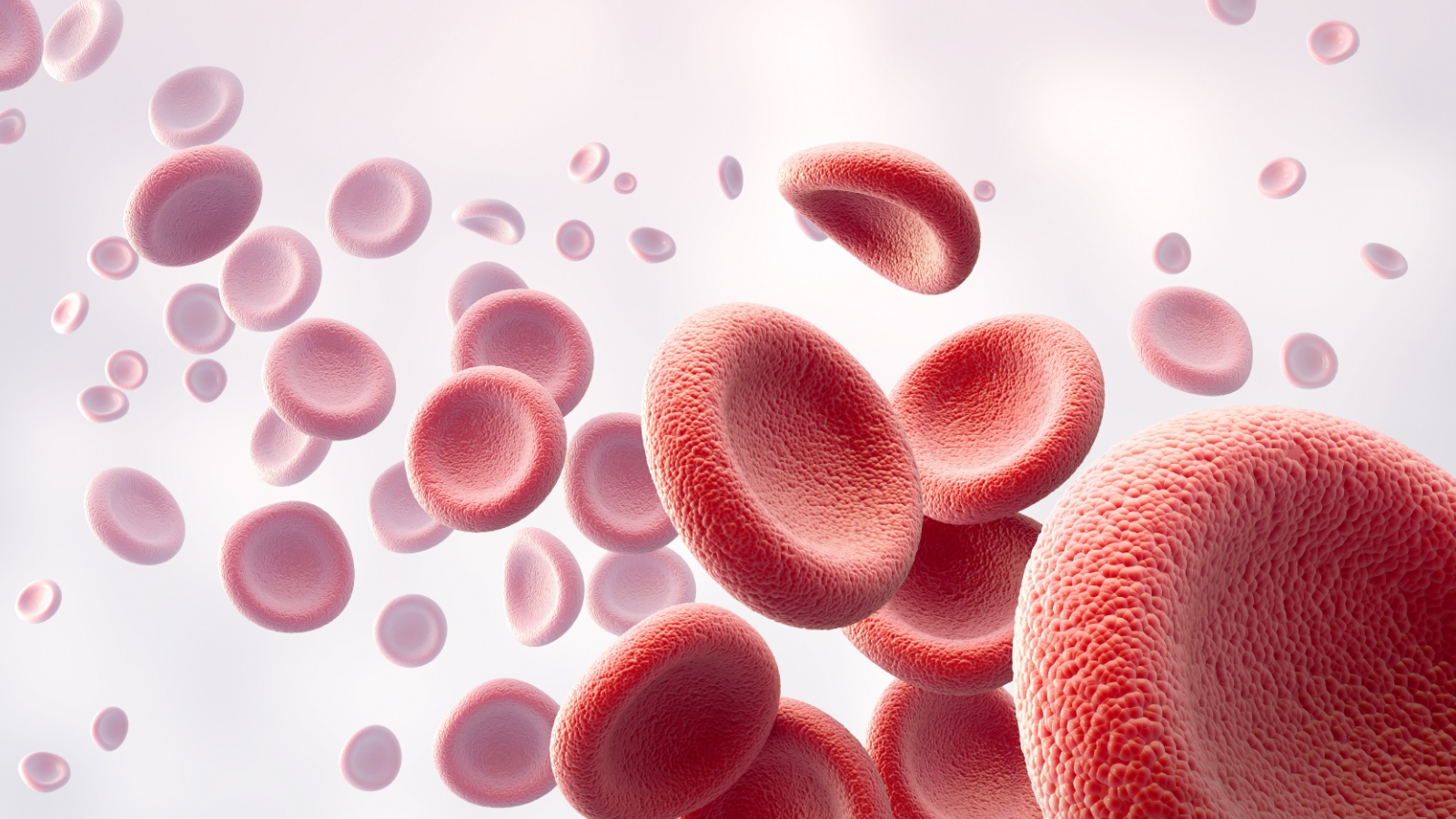
Red blood cells (RBCs) are the most numerous type of cell found in blood. Produced in the bone marrow, they contain hemoglobin, the protein that helps carry oxygen from the lungs throughout the body. When you inhale, RBCs pick up oxygen from the lungs, deliver it to organs and tissues, then carry carbon dioxide back to the lungs to be exhaled.
Because RBCs circulate for only about 120 days, the body is always making more (according to the American Society of Hematology). When someone experiences blood loss or certain medical conditions, they may urgently need donated red cells to stabilize blood pressure, support organ function and restore healthy oxygen delivery.
White Blood Cells: Key Players in Your Immune System
White blood cells (WBCs) help the body fight infection and defend against disease. They're also created in the bone marrow, and each type of WBC plays a different role.
For example, some white blood cells produce antibodies that recognize harmful bacteria or viruses. Others target and remove damaged cells. Altogether, they serve as the body's surveillance system — a critical part of the immune system that helps protect the body from infection.
For the vast majority of transfusions, the white blood cells are intentionally removed from donated blood to reduce the risk of patient reactions.
Platelets: Help You Heal
Platelets are tiny cell fragments that rush to the site of an injury. As soon as a blood vessel is damaged, platelets gather and form blood clots that slow and stop bleeding. They also trigger the release of chemicals that support tissue repair.
Platelets are especially important for patients undergoing chemotherapy, organ transplants or major surgeries — situations where the body's natural ability to control bleeding is reduced. Even though they make up a small portion of total blood components, they have a major impact on healing.
Plasma: Carries Everything
Plasma is a pale-yellow liquid that makes up about 55% of your total blood volume. It transports oxygen and nutrients, hormones, proteins, electrolytes and waste products throughout the body.
Plasma also contains essential clotting proteins, including fibrinogen, which work with platelets to stop bleeding. Maintaining healthy plasma levels supports normal blood pressure, fluid balance and organ function.
Additional Substances Found in Blood
While the main four components of blood are the foundation, a closer look reveals important materials that help blood work smarter and more efficiently.Proteins in Plasma (Antibodies, Clotting Factors, Albumin)
Plasma carries dozens of proteins vital to survival. Antibodies help the immune system recognize and target threats, Albumin helps maintain fluid balance in tissues, and clotting proteins activate platelets to form blood clots when needed. More than just cells, these proteins are doing critical work around the clock.Nutrients, Hormones and Electrolytes in Blood
In addition to its other vital functions, blood also transports hormones that regulate growth, stress response and metabolism. Electrolytes such as sodium, potassium and calcium help control muscle function and nerve signals. Nutrients absorbed from food travel through plasma to fuel cells, tissues and organs.Gases in Blood: Oxygen and Carbon Dioxide
Blood is the body's transportation system for gases. Red cells deliver oxygen and nutrients to tissues, while returning carbon dioxide to the lungs so it can be exhaled. This constant exchange supports energy production, organ function and overall stability.How Blood Components Sustain and Protect Us
Altogether, blood's many components help protect the body, support healing, regulate body temperature, maintain stable blood pressure and remove waste products. Because each has a vital role, donors of all types are constantly needed to make sure patients have what they need, when they need it.How Different Blood Components Help Donation Recipients
Every patient's needs are unique, which is why Vitalant works carefully to match donations to the therapies and treatments that rely on them.Why Different Patients Need Different Blood Components
Some patients urgently need red blood cells to restore healthy oxygen levels. Others need platelets to support healing, or plasma to replace clotting proteins after trauma or severe bleeding. Because each component serves a specialized purpose, hospitals depend on a steady, diverse supply of donated blood.Why Plasma and Platelet Donations Are Just as Critical as Whole Blood
Plasma and platelets are used more frequently than many people realize. Platelets have a very short shelf life and are essential for patients receiving cancer treatment. Plasma is critical for burn patients, trauma care and immune-related conditions. These targeted donations often support patients in their most vulnerable moments.Who Can Donate These Different Blood Components?
Most healthy adults who meet basic eligibility requirements can donate. Some individuals may be better suited for platelet or plasma donation depending on factors like blood type or weight. These components can be donated individually in an automated process called apheresis, in which a donor’s whole blood is separated. With this method, the needed component is collected at the time of donation, and the other components are returned to the donor. No matter which option you choose, every donation helps save lives.How Blood Components Are Separated After Donation
Once a whole blood donation is collected, it's transported to a Vitalant laboratory, where it's processed. Using a machine called a centrifuge, the donation is gently spun to separate it into plasma, red blood cells and platelets. Each component undergoes testing, labeling and preparation before being delivered to hospitals for patient care.How You Can Help: Donate Blood with Vitalant
Understanding the components of blood helps reveal just how far one donation can go. Every time you give, you're providing one or more blood components that help stabilize emergencies, support long-term treatments and restore hope for patients and families across the country.
Book your donation today — because your actions can help change someone’s tomorrow. Because of you, life doesn’t stop
READY TO DONATE?