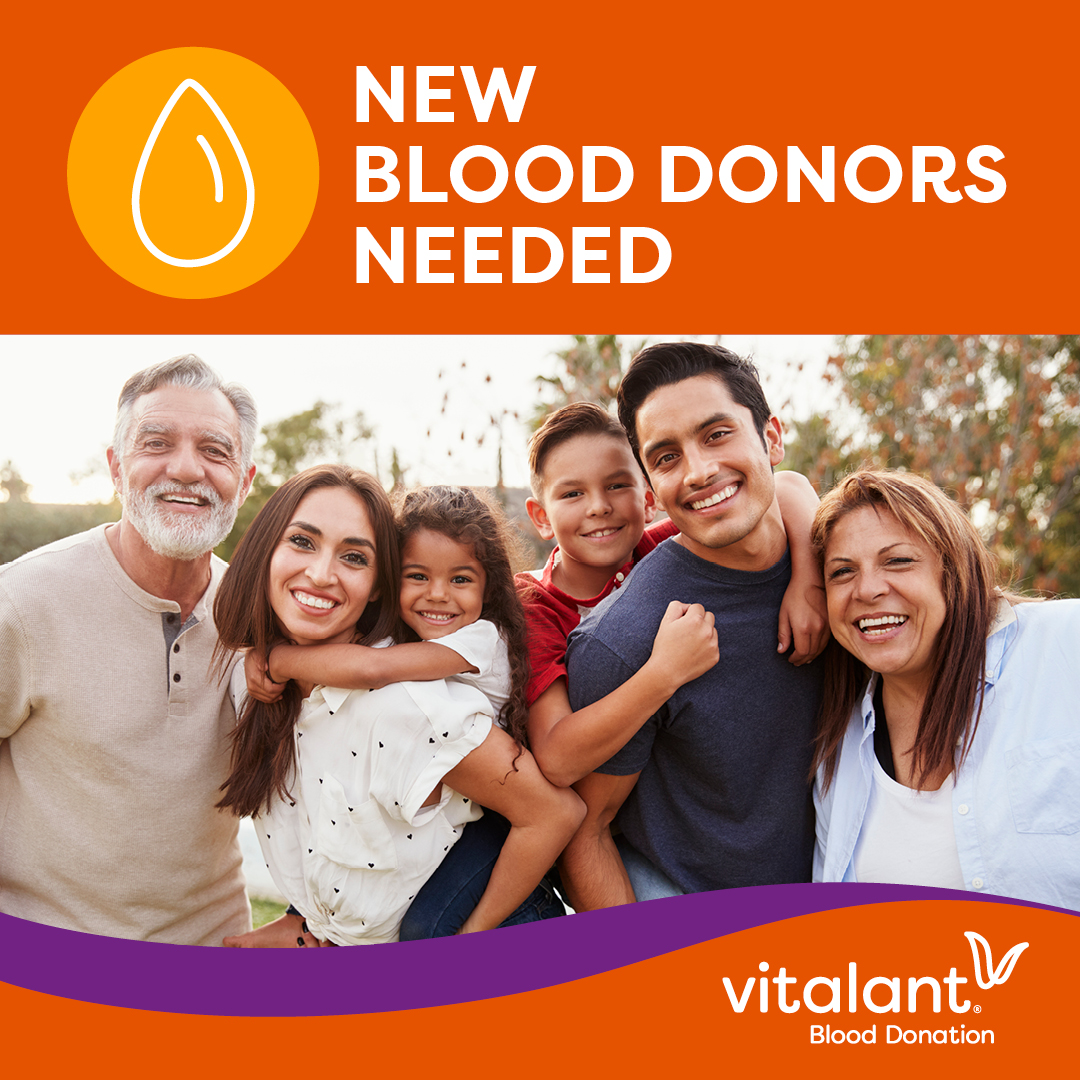
While loyal repeat donors remain essential, the overall pool is shrinking, and without a steady influx of new blood donors, maintaining supply will become increasingly challenging. The long-term health of the donor base depends on reaching new donors.
Read on for tips on how you can encourage people to become blood donors and why it’s so important.
The Reality: A Shrinking Donor Pool
Across the U.S., fewer people are regularly choosing to become a blood donor. It’s been a longtime statistic that only about 3% of the eligible population donates blood each year, so we’re already starting out with a small donor base.At the same time, data from The Association for Blood Donor Professionals (ADRP) shows that participation among younger donors has declined, while donations from older donors have increased, highlighting an aging donor population.
Plus, the number of first-time donors has declined in recent years , so there aren’t enough new donors to replace older donors who will eventually be unable to donate.
For blood drive coordinators, this means the focus must expand beyond retention to recruitment of new donors. Every new donor represents not just a single donation, but the potential for a lifelong commitment to giving.
Why New Donors Matter More Than Ever
Finding new donors is important because:- Blood collections become more stable and predictable.
- The overall supply becomes less vulnerable to seasonal dips.
- Communities become more connected to the mission of saving lives.
- The donor pipeline strengthens over time.
One Opportunity: Diversifying the Donor Base
Getting more blood donors from typically underrepresented communities to donate – like Hispanic/Latino and Black/African American communities – is particularly important, not only for building a larger donor pool, but also for meeting patient needs.The most recent statistics show that only about 12.2% of blood donations come from minority donors, a significant drop of more than 35% from 2019.
Expanding outreach in these communities is about quality of care, too. For example:
- Patients with sickle cell disease, who are often of African or Hispanic descent, need frequent blood transfusions for this debilitating chronic illness.
- Diverse donations improve compatibility and outcomes for these patients, who need closely matched blood types to prevent complications.
Practical Tips to Attract New Donors
Recruiting new blood donors requires specific messaging, easy access and trust-building. Strategies that blood drive coordinators can implement:Focus on the First Experience
A positive first donation greatly increases the likelihood of return visits, and new donors are more likely to give at a blood drive than a donation center. Think of the first donation as the beginning of a relationship, not a one-time transaction.
- Minimize wait times.
- Provide clear instructions and friendly support.
- Follow up with a thank-you message and invitation to donate again.
- “Never donated before? Start here.”
- “Your first donation can save lives.”
- What to expect.
- How long it takes.
- Eligibility basics.
Tell Real Stories That Connect
Stories — especially local ones — help people understand impact:
- Share patient stories.
- Highlight testimonials from donors.
Meet People Where They Are
It’s especially important to provide convenient blood drive locations, given that school- and workplace-based drives, have been disrupted in recent years due to COVID and more people working from home.
Convenience is key, especially for new donors. Besides workplaces and schools, there are
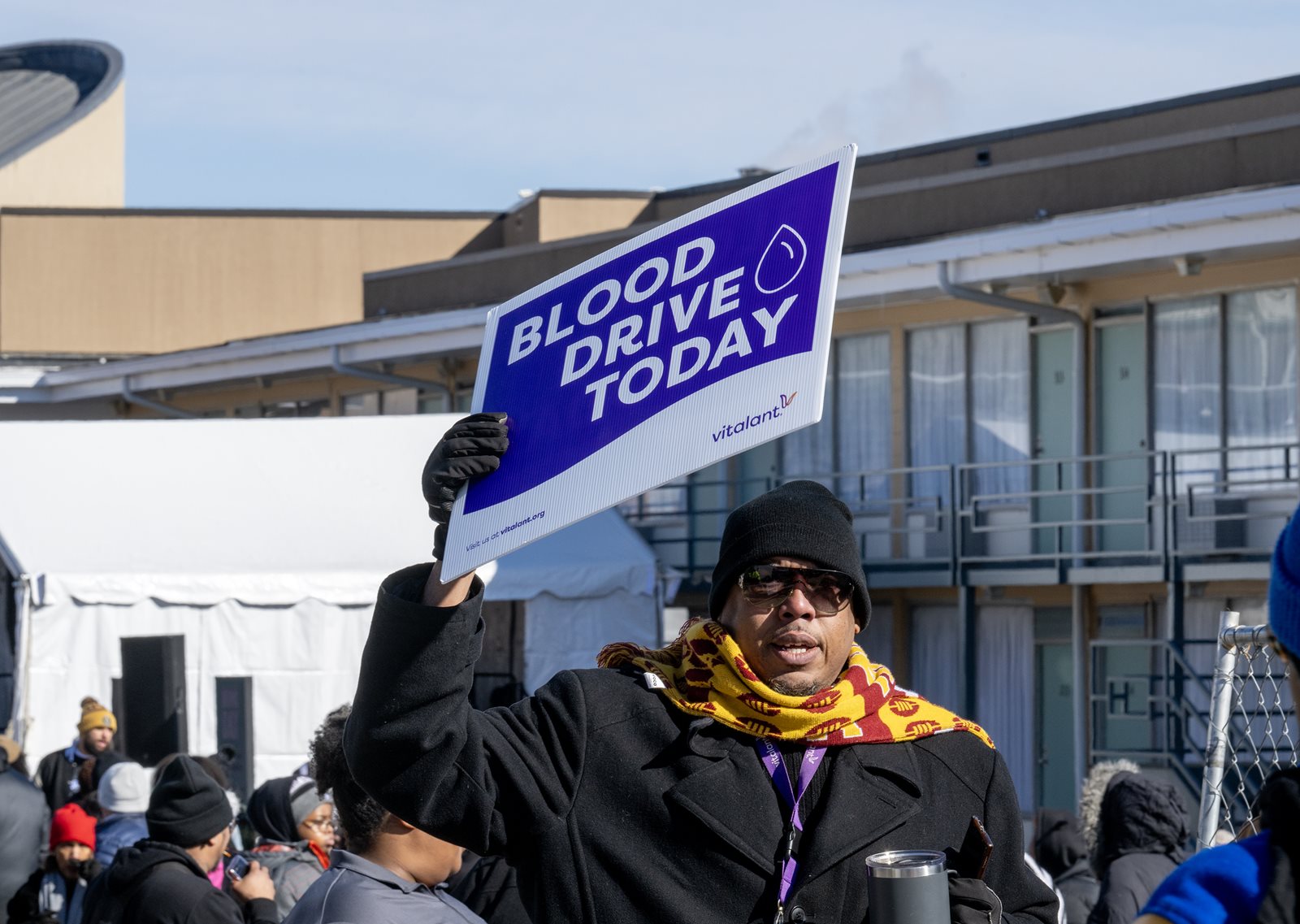 also community centers, colleges and faith-based organizations. Plus, Vitalant offers virtual blood drives that can enhance in-person drives.
To spread the word and diversify your donors, consider partnering with:
- Community leaders and organizations.
- Local nonprofits.
- Churches and cultural organizations.
- Community influencers.
Use Inclusive Messaging
The goal is to ensure new donors feel seen, welcomed, and encouraged. You can do so by:
- Using diverse imagery in your promotional materials.
- Providing bilingual content when appropriate/available.
- Tailoring outreach campaigns to reflect community values.
First-time donors often research before committing:
- Use social media to share donor experiences and FAQs.
- Encourage donors to bring a friend or post about their experience.
- Provide links to our online scheduling tools.
The Path Forward
The future of blood donation depends on expanding and strengthening the donor base today. By focusing on new donors, especially within underrepresented communities, blood drive coordinators can build a foundation that is both diverse and resilient.This isn’t just about meeting current needs; it’s about ensuring that the blood is available when it’s needed for years to come.
There has never been a better time to invite someone to become a blood donor. With thoughtful outreach, community engagement and a commitment to inclusivity, new donors can become the driving force behind a stronger, more sustainable future for blood donation.
Article published for the Vital Connections newsletter.