
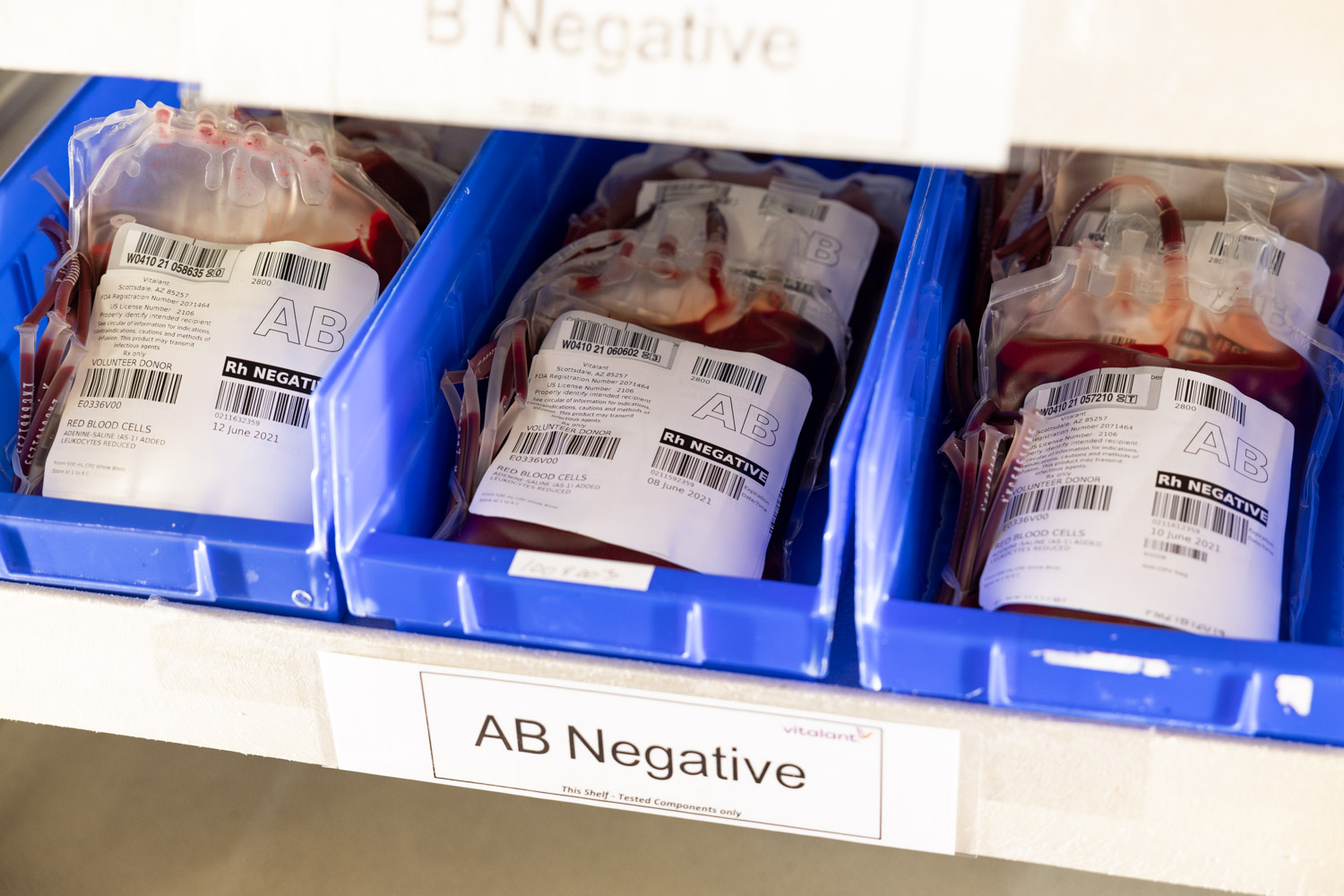
What Is a Blood Type?
Your blood type is determined by specific markers, called antigens, found on the surface of your red blood cells. The two most important blood group systems are the ABO system and the Rh factor. Blood types are inherited from your parents and remain the same throughout your life.People have one of four ABO blood types:
• Type A
• Type B
• Type AB
• Type O
People are also classified as either Rh-positive or Rh-negative, creating familiar blood types such as A+, O- or AB+.
Why Are There Different Blood Types?
So, why are there different blood types in the first place?Scientists believe blood types developed over millions of years through genetic variation and evolution. The ABO blood group system is ancient, with A and B blood group genes appearing early in evolutionary history and persisting across species and human populations.
Researchers believe human blood types likely evolved and survived because different blood types offered protection against different infectious diseases at different times in history. This may have helped shape the distribution of blood types around the world.
While scientists continue to study these relationships, they are widely accepted as key reasons why humans have different blood types.
In short, the answer to why do humans have different blood types comes down to inherited genes and the long history of human adaptation.
Why Blood Types Matter
Regardless of how they came about, blood types have a practical purpose in modern medicine and it’s important that medical staff (and you) know your blood type.During a blood transfusion, patients must receive compatible blood. If healthcare providers were to use an incompatible blood type in a transfusion, the body's immune system could reject the donated blood and attack it, potentially causing serious complications.
This is why maintaining a diverse blood supply is so important. Hospitals need donations from all blood types to ensure patients receive blood products that are safest and most effective for them.
Some blood types are especially needed. For example, O-negative blood is often called the universal red cell donor type because it can be used in many emergency situations when there isn't time to determine a patient's blood type. AB plasma is similar, because it can also be transfused to any blood type.
Every Blood Type Can Save Lives
Whether you're A, B, AB or O, your donation can make a meaningful difference for patients facing surgery, cancer treatment, trauma or chronic medical conditions. Understanding why there are different blood types reminds us that while our blood may not all be the same, every blood type has the power to help save lives.
Knowing your blood type is more than a fun fact. It's information that connects you to a larger lifesaving community and highlights the remarkable diversity of the human body.
And if you don’t already know your blood type, you can find out by giving blood!
DONATE NOW